Architecture as Strategy: Designing Spaces for Performance, Identity, and Longevity
The Evolving Role of Architecture
Architecture today extends far beyond the act of building. It has become a strategic discipline that shapes how people live, work, and interact with their environments. As cities grow denser and lifestyles evolve, buildings are expected to respond to social change, technological progress, and environmental responsibility. Architecture is no longer defined solely by aesthetics; it is measured by how effectively it performs, adapts, and endures over time.
From Visual Form to Purpose-Driven Design
Modern architectural thinking places purpose at the center of design. Every space must serve a clear function while supporting comfort, usability, and emotional connection. Purpose-driven architecture begins with understanding human behavior and translating it into spatial clarity, efficient movement, and meaningful form. When design decisions are guided by use rather than appearance alone, buildings become more intuitive and lasting.
Human Experience at the Core
Architecture shapes everyday experiences in subtle but powerful ways. Natural light, proportion, material texture, acoustics, and spatial flow all influence how people feel and function within a space. Design that prioritizes the human experience creates environments that promote wellbeing, focus, and social interaction. When architecture responds thoughtfully to its users, it becomes a supportive backdrop to daily life rather than a dominating presence.
Environmental Responsibility and Sustainable Design
Sustainability has become a fundamental responsibility of contemporary architecture. Climate-responsive design considers orientation, shading, ventilation, and material performance from the earliest planning stages. By reducing energy demand and improving indoor comfort naturally, architecture contributes to environmental stewardship while enhancing long-term operational efficiency. Sustainable buildings are not only environmentally responsible but also economically resilient.
Technology as an Enabler of Better Design
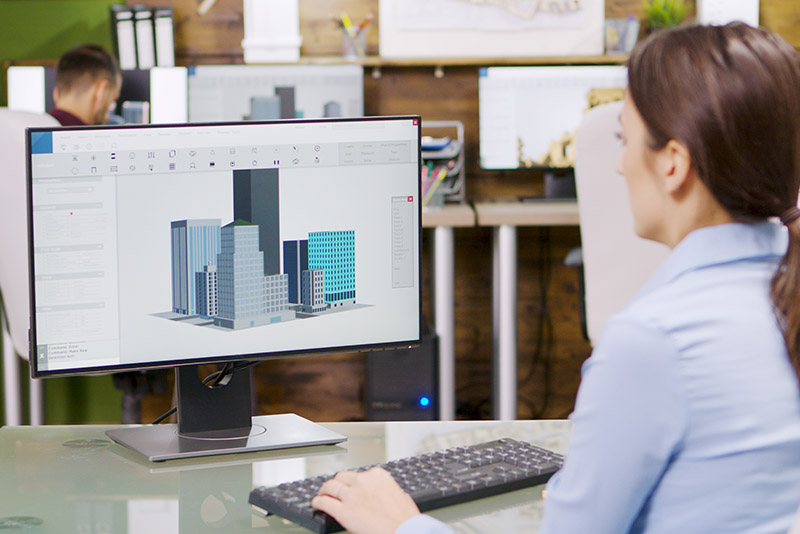
Technology has transformed both the process and outcome of architecture. Digital tools allow for greater accuracy, coordination, and performance analysis throughout the design lifecycle. Smart building systems enhance efficiency, comfort, and control while remaining seamlessly integrated into the built environment. When used thoughtfully, technology strengthens architecture without overshadowing human experience.
Context, Culture, and Sense of Place
Every architectural project exists within a specific cultural, climatic, and urban context. Respecting this context creates buildings that feel authentic and connected to their surroundings. Context-sensitive design responds to local climate, materials, traditions, and urban fabric, ensuring that architecture contributes positively to its environment rather than existing in isolation.
Architecture as a Long-Term Investment
Architecture represents a significant long-term investment, both financially and socially. Strategic architectural planning considers lifecycle performance, maintenance, and adaptability alongside design quality. Buildings designed with longevity in mind deliver sustained value, reduced operational costs, and enduring relevance in an ever-changing world.
Conclusion: Building with Purpose and Vision
Architecture today must balance creativity with responsibility, innovation with practicality, and ambition with restraint. When guided by strategy, human understanding, and long-term thinking, architecture becomes more than a physical structure. It becomes a framework for living, working, and evolving, designed not just for today, but for generations to come.